




PA Tax Brackets 2026: What You Need to Know
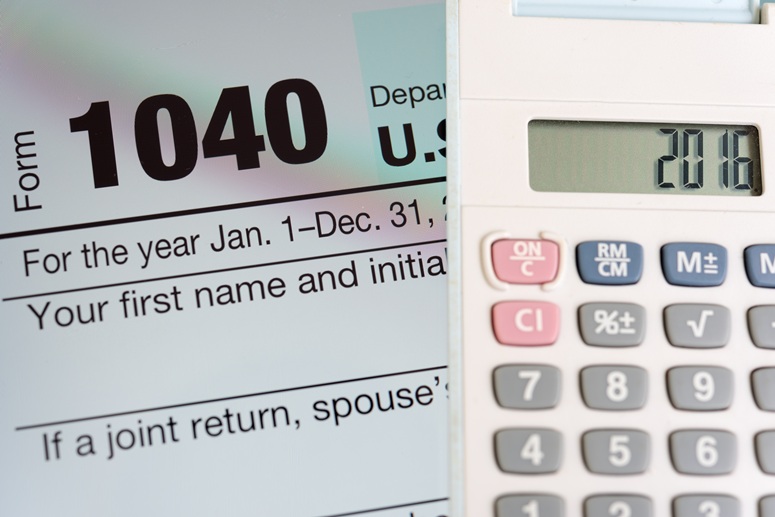
Pennsylvania doesn’t use a traditional tax bracket system. Instead, most taxable income is subject to a flat 3.07% personal income tax rate regardless of how much you earn. That often comes as a surprise to taxpayers who are familiar with the federal system, where tax rates increase as income rises.
At Phoenix Tax Consultants, we help individuals and business owners across Pennsylvania understand how state tax rules affect their financial decisions through our tax planning services.
Why Doesn’t Pennsylvania Have Tax Brackets?
Tax brackets are part of a graduated tax system, where different portions of income are taxed at different rates. Under the federal system, for example, earning more income can move a portion of that income into a higher tax bracket.
Pennsylvania’s Constitution contains a Uniformity Clause, which has been interpreted to prevent the state from imposing higher income tax rates simply because a taxpayer earns more income.
That’s why you won’t find a Pennsylvania tax bracket chart like you would for federal taxes. For most taxpayers, the focus is less on finding a bracket and more on understanding which deductions, credits, and tax benefits may apply.
Tax Benefits Available to Pennsylvania Taxpayers
While the state’s income tax rate remains unchanged, several tax benefits may help eligible taxpayers reduce their overall tax burden.
- Student loan interest deduction: Eligible taxpayers may deduct up to $2,500 in qualified student loan interest paid during the year.
- Working Pennsylvanians Tax Credit: Taxpayers who qualify for the federal Earned Income Tax Credit may also qualify for a state tax credit worth 10% of their federal EITC amount.
- 529 plan distributions: Qualified distributions from Pennsylvania 529 accounts are generally excluded from taxable income when used for eligible education expenses.
- ABLE account distributions: Qualified distributions from ABLE accounts are generally excluded from taxable income when used for eligible disability-related expenses.
Do Pennsylvania Tax Brackets Apply to Business Owners?
No. Pennsylvania’s lack of personal income tax brackets applies whether income comes from wages, self-employment, or a pass-through business.
Business owners should be aware, however, that separate tax rules may apply depending on how a business is structured. For corporations, the Corporate Net Income Tax rate drops from 7.99% to 7.49% for tax years beginning in 2026, continuing a multi-year reduction schedule that is expected to reach 4.99% by 2031.
Other business tax changes may also create planning opportunities. The Net Operating Loss deduction limit increases to 50% for qualifying losses incurred in tax years beginning on or after January 1, 2025, with additional increases scheduled in future years. Employers may also qualify for state tax credits for certain childcare contributions and matching contributions to employee Pennsylvania 529 and ABLE accounts.
Tax Planning Starts With the Right Team
Many taxpayers begin by searching for tax brackets, only to discover that understanding taxes involves much more than finding the right rate. Differences between state and federal rules can affect financial decisions throughout the year, especially when income, investments, or business ownership are involved.
At Phoenix Tax Consultants, our tax planning services help individuals and business owners understand how tax rules fit into their broader financial picture. To discuss your situation, schedule an appointment by submitting a form through our website or call 610-933-3507.